The name reveals its origin
Punch originated in India: The word derives from the Hindi word “panch,” meaning “five,” referring to the five classic ingredients—arrack, water or tea, sugar, lemon, and spices. The drink made its way to Europe in the 17th century via English sailors and colonial trade and quickly became all the rage among high-society circles.
Punch isn’t the same as mulled wine
Mulled wine has its own, much older roots; even the ancient Romans heated wine with spices and honey. To this day, it consists essentially only of wine. Punch, on the other hand, is a general term: it can be based on tea, fruit juice, or wine, and can be enhanced with rum or liqueur—making it significantly more versatile than its wine-based cousin.

Popular Viennese Variations
Over the years, a few favorites have emerged in Vienna:
- Berry Punch – mixed berries, red wine, and fruit tea; fruity and robust at the same time.
- Orange punch— black tea, rum, and freshly squeezed oranges—a real source of warmth.
- Children’s punch— warmed, spiced fruit juice, sweetened with honey or sugar, completely alcohol-free.
Even Mozart liked him
Punch was already so popular in the 18th century that even Wolfgang Amadeus Mozart wrote enthusiastically about its taste and preparation in letters to his family—sometimes including some rather adventurous lists of ingredients. Ever since then, the drink has simply been a staple of the cold season, whether at the Christmas market or at home in the living room.
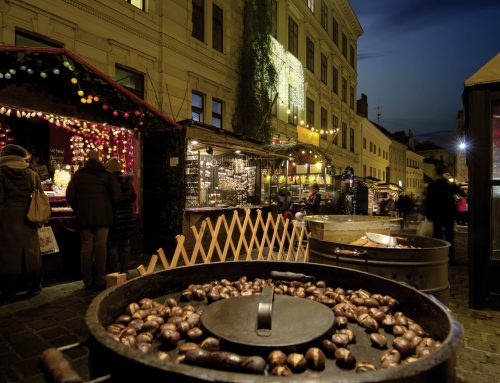
So: The next time you’re strolling through a Christmas market, treat yourself to some punch—and now you know what you’re actually toasting to…